Our Products / Calcium Acetate, Synthetic and Natural
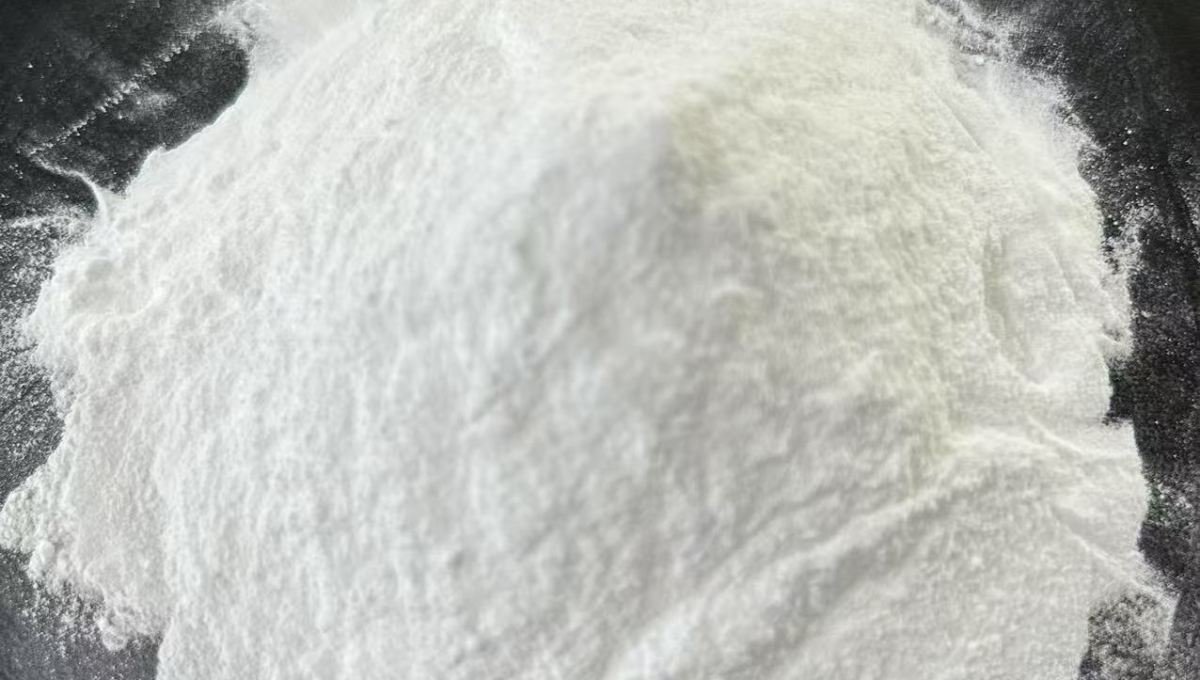
Calcium Acetate, Synthetic and Natural
Calcium Acetate, synthetic and natural version
Food-grade calcium acetate (chemical formula Ca(C₂H₃O₂)₂, designated as E263) is a white, odorless, water-soluble crystalline powder. While sodium diacetate relies on free acetic acid to provide a punchy vinegar taste, calcium acetate functions primarily as a texturizer, firming agent, and anti-molding preservative. It complies with Food Chemicals Codex (FCC) purity standards for direct consumption.
Primary Functions in Food
- Mould and Bacteria Inhibition: It is an effective anti-roping and anti-mould agent in commercial baked goods, significantly extending bread shelf life.
- Texture and Firming Agent: It acts as a coagulant for structuring proteins. It is widely used to curdle soy milk for tofu making and to improve the firmness of vegan cheeses made from low-calcium plant milks.
- Acidity Regulation: It functions as a buffer to stabilize pH levels during food processing.
- Sequestrant and Stabiliser: It prevents mineral migration and separation in hard candies, gelatins, puddings, and sweet syrups.