Our Products / Potassium Acetate, Synthetic and Natural
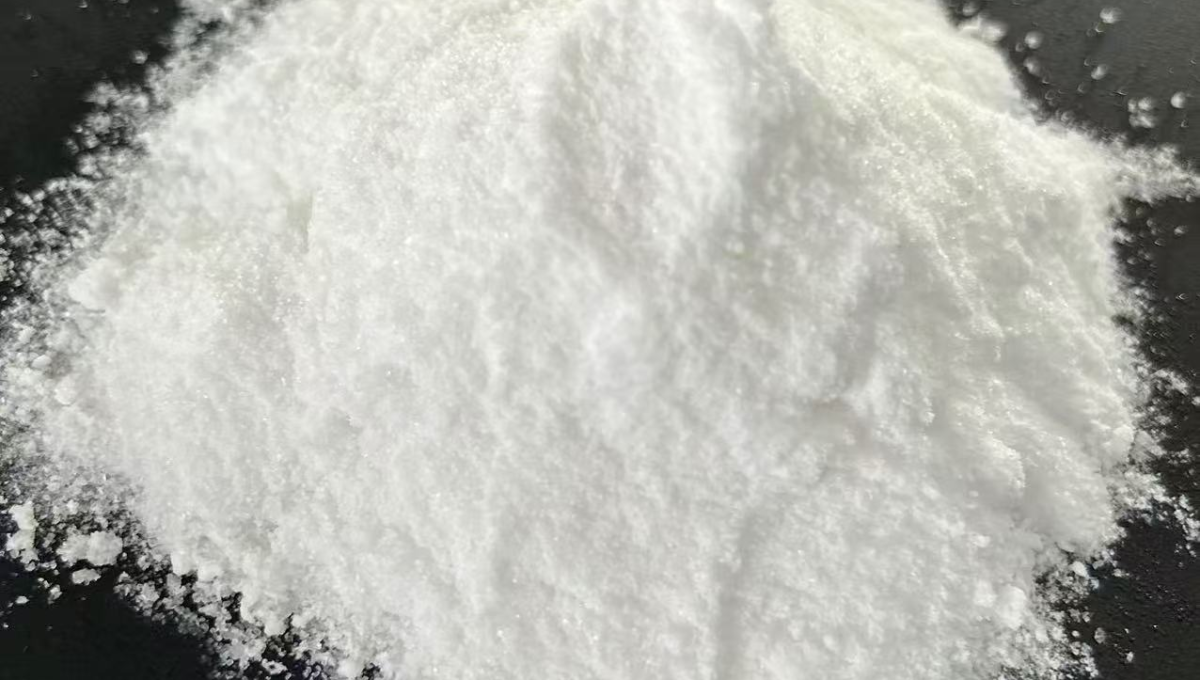
Potassium Acetate, Synthetic and Natural
Potassium Acetate, synthetic and natural versio
Food-grade potassium acetate (chemical formula CH₃COOK, designated as E261 or INS 261i) is the potassium salt of acetic acid. It is a white, crystalline powder that is highly water-soluble and carries a slightly salty, alkaline taste. It serves as a low-sodium alternative to sodium acetate and sodium diacetate, making it a critical ingredient for manufacturers looking to reduce the sodium footprint in processed foods.
Primary Functions in Food
- Sodium-Free Preservation: It functions as a powerful antimicrobial agent and mold inhibitor, effectively controlling foodborne pathogens like Listeria monocytogenes in meat products without adding dietary sodium.
- Acidity Regulation (Buffering): It stabilizes the pH levels of processed foods, keeping flavors consistent and preventing spoilage or undesirable texture breakdown over time.
- Flavour Enhancement: It can be formulated alongside free acetic acid to mimic the sharp, tangy “salt and vinegar” taste in snack foods.
Common Applications
- Low-Sodium Meats: Added to deli meats, sausages, poultry products, and ready-to-eat meals to prolong shelf life while maintaining “heart-healthy” or low-salt labeling claims.
- Snack Foods & Seasonings: Used in potato chips, pretzels, and dry herb blends as a sodium-free flavor accent.
- Canned Goods & Dressings: Found in emulsified sauces, mayonnaise, salad dressings, and canned vegetables to maintain appropriate acidity.